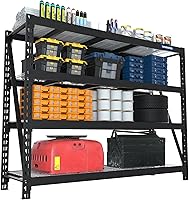
Wire Shelving vs Wood Shelving in a Garage: Which Is Better? (October 2026)
Wire shelving suits airflow and adjustable storage; wood shelving gives small items a solid surface. For wire shelving vs wood shelving, choose based on what you store, how damp the garage gets and how much upkeep you can manage.
On this page (9 sections)
- Wire shelving vs wood shelving: what is the main difference?
- How should you choose between wire and wood garage shelves?
- How do moisture and airflow affect wire shelving vs wood shelving?
- How do you set up and care for each shelf type?
- What mistakes should you avoid with wire shelving vs wood shelving?
- How deep should garage shelves be?
- Can you mix wire and wood shelves in one garage?
- Which should you choose: wire shelving vs wood shelving?
- Sources
Wire shelving suits airflow and adjustable storage; wood shelving gives small items a solid surface. For wire shelving vs wood shelving, choose based on what you store, whether the garage gets damp and how much upkeep you want to manage.
Wire shelves leave open gaps that let air move around stored items. Wood and engineered-board shelves provide a continuous surface for boxes, jars and small parts.
For a broader setup overview, start with how to pick the right garage storage shelves. This comparison focuses on the shelf surface and its day-to-day tradeoffs.
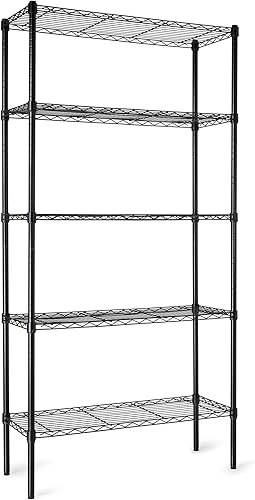 Best for narrow garage aisles
Amazon Basics 5-Shelf Wire Storage Shelves

Wire shelving vs wood shelving: what is the main difference?
Wire shelving has an open surface; wood shelving has a solid one. That difference affects airflow, small-item storage, spill visibility and routine cleaning.
Wire racks are usually made with metal frames and wire decks. Their gaps let debris or spills pass through, which can help you spot a leak but may leave items below exposed.
Wood shelves can be plywood, solid lumber or engineered boards. Those materials differ in moisture tolerance, strength and finish, so decide based on the exact construction rather than the word “wood” alone.
Some units combine a metal frame with board shelves. The REIBII set, for example, has steel frames and MDF boards, so it gives you a solid surface without being an all-wood shelf.
How should you choose between wire and wood garage shelves?
Start with the items, room conditions and shelf location, then choose the surface that supports them with the least extra work. Wire is a natural fit for larger gear and adjustable layouts; solid boards suit small items that need a level base.
Check the shape of what you store. Flat-bottomed totes, tool cases and larger supplies can sit on wire, while hardware boxes, jars and narrow containers benefit from a surface that closes the gaps.
Then consider the garage itself. If the floor gets wet or condensation returns, solve the moisture problem before relying on either material to protect stored belongings.
Finally, measure the available width, depth and height. Make sure the shelves leave a clear walking path and don't interfere with vehicle doors, work areas or access to other storage.
Who should choose wire shelving vs wood shelving?
Choose wire for open access and airflow; choose wood or board shelves for small items that need a continuous surface. A mixed setup can work well when one garage holds both bulky gear and loose supplies.
Wire is a good fit for tools, sports equipment, larger bins and items you want to inspect from below. Adjustable shelves help when stored items vary in height or the setup changes through the year.
Solid boards suit small boxes, jars and loose supplies that could tip or slip through wire. They also give you a stable base for objects with narrow feet.
Skip open wire for tiny loose items unless you'll keep them in bins. Skip unprotected wood-based boards if you can't keep them away from recurring moisture.
How do product examples fit the wire shelving vs wood shelving choice?
The Amazon Basics unit suits a narrower footprint, REIBII supplies two flat-board units, and Seville Classics offers a wider wire rack. These examples help match the shelf style to a particular storage layout.
The Amazon Basics five-shelf rack measures 36 x 14 x 72 in. Its steel wire shelves adjust in 1-inch increments, and four leveling feet help stabilize it on the floor.
REIBII's two units each measure 36 x 16 x 72 in and have five adjustable MDF-board tiers. The flat decks suit containers and small items that need support across the shelf.
The Seville Classics rack measures 48 x 18 in and includes both wheels and leveling feet. Its shelves adjust in 1-inch increments, so it fits broad storage runs where shelf access and repositioning matter.
How do moisture and airflow affect wire shelving vs wood shelving?
Wire allows air through the shelf deck, while wood-based boards need more care around moisture. Neither design makes a damp garage safe for everything you store.
Air movement may help items dry after a minor spill, but it doesn't prevent metal from rusting or lower room humidity. Keep tools clean and dry, and check them after storing them in a humid space.
Wood can absorb moisture, and engineered boards may swell or lose strength if they stay wet. Keep shelves away from standing water, address leaks and condensation, and dry spills promptly.
Check for roof leaks, wet concrete and signs of recurring condensation before installing shelves. Store paper goods, fabrics and sensitive equipment in closed containers when the garage environment is unpredictable.
For a closer look at frame materials, read metal or wood garage shelves: which lasts longer?. It separates the frame question from the surface question.
How do you set up and care for each shelf type?
Set shelves on a level floor, follow the unit's instructions and place heavy items low. Good setup starts with accurate measurements and a stable footprint.
Before assembly, measure the shelf location, doorways and the items you plan to store. Leave room to reach and remove bins, and check that the shelf won't block a walkway or equipment.
Set the uprights and shelves according to the instructions, then check that each tier is seated and level. Anchor tall or top-heavy units when the manufacturer provides suitable hardware and the wall supports it.
Wire shelves need occasional dusting, and open decks can drop debris onto lower shelves. Keep the floor beneath them accessible for cleaning, and check the metal finish for damage in damp areas.
Wipe board shelves with a dry or lightly damp cloth if the material permits, then dry them. Look for swelling, loose edges or sagging, and replace damaged sections before loading them heavily.
What mistakes should you avoid with wire shelving vs wood shelving?
Don't choose by material name alone, ignore the load instructions or assume every shelf surface suits every item. Small planning errors can make a good rack awkward or unsafe to use.
A common mistake is placing loose hardware directly on wire. Keep screws, fittings and small containers in bins, or choose solid shelves for those items.
Another is treating wood and MDF as interchangeable. Check the board material and care guidance, especially if the garage has leaks, damp concrete or recurring condensation.
Avoid loading shelves unevenly or concentrating heavy objects at the edge. Follow the unit's stated limits and distribute weight as directed; a rating applies to a particular unit and setup.
The Amazon Basics rack is rated for up to 350 lb per shelf when weight is evenly distributed. The Seville Classics rack lists 800 lb per shelf on leveling feet, but its total system capacity changes when used on wheels.
See what a per-shelf weight rating really means before comparing capacity numbers. Those figures describe the named units, not wire shelving or wood shelving as a category.
How deep should garage shelves be?
Pick a depth that fits your items without blocking walkways or vehicle doors. Your available floor space and reach matter as much as the size of your bins.
A narrow shelf can suit hand tools and small containers, while deeper shelves can fit larger bins. Measure your largest items and the space in front of the rack before deciding.
The examples here have different footprints: Amazon Basics is 14 in deep, REIBII is 16 in deep, and Seville Classics is 18 in deep. Use the standard depth for garage shelves as a starting point, then compare it with your own storage and clearance needs.
Can you mix wire and wood shelves in one garage?
Yes, you can use wire where open access helps and solid shelves where small items need support. Matching each surface to its job can make mixed storage easier to organize.
A wire rack can hold larger totes and tools, while a solid shelf can hold jars, hardware bins or small boxes. Keep heavy containers low and group items by how often you use them.
If you add a board to a wire unit, confirm that the frame and shelf can carry the added load. A board also changes airflow and can hide spills or debris beneath it.
Plan the arrangement before you buy. How to choose garage shelving can help you compare capacity, depth, access and unit style.
Which should you choose: wire shelving vs wood shelving?
Pick wire when airflow, open visibility and adjustable shelves matter most; pick wood or board shelves when small items need a flat surface. For mixed storage, use both styles and match each one to its load and location.
Choose wire for larger bins, tools and changing storage needs. Choose boards for small containers and loose supplies, provided you can keep them dry and follow their care instructions.
For wire shelving vs wood shelving, the decision is simple: buy the surface that supports your items, fits your space and suits the garage conditions. Before ordering, measure the footprint and compare each unit's instructions and load rating.
Sources
- Amazon Basics 5-Shelf Wire Storage Shelves
- REIBII 2 Pack Garage Shelving
- Seville Classics UltraDurable 5-Tier NSF Steel Wire Shelving
Frequently asked questions
Is wire or wood shelving better for a garage?
Wire shelving suits items that benefit from airflow and adjustable storage, while wood gives you a flat surface for small parts and boxes. For a damp garage, consider how each material handles moisture and follow care guidance; wire can still collect dust, and wood can swell or weaken if it stays wet.
Do items fall through wire shelves?
Small hardware, narrow containers and loose parts can slip through wire gaps. Put them in bins or choose a solid shelf surface for those items; larger tools, totes and supplies are less likely to need that extra layer.
Can you put wood shelves in a damp garage?
You can, but repeated dampness can affect wood and engineered wood over time. Keep boards off wet floors, address leaks and condensation, and choose a shelf material that matches the room's conditions.
Do garage shelves need to be anchored?
Anchoring can reduce tipping risk, especially for tall or top-heavy shelves. Use the hardware and instructions for the exact unit and wall, and place heavier items low; don't assume a freestanding shelf is safe in every layout.